Introduction
Keeping your combi boiler at the right pressure is important. It helps your central heating system work well. If the pressure is too low, your boiler might not heat your home properly. In this guide, we will show you step-by-step instructions on how to refill central heating system with a combi boiler.
Why is Boiler Pressure Important?
Your boiler’s pressure should be just right. If it’s too low, your radiators might not get hot enough. If it’s too high, it can damage the boiler or cause leaks. The ideal pressure range is 1.0 to 1.5 bars, which keeps your system running smoothly.
How to Check Your Boiler Pressure
- Find the Pressure Gauge: Look at the front of your boiler. A little dial will be visible. This is the pressure gauge.
- Check the Needle. The needle should point to the green zone, which is usually between 1 and 1.5 bar.
- Low Pressure? If the needle is below 1, you need to add water. This is called refilling or re-pressurising your system.
- High Pressure? If the needle is above 2.5, you might need to release some water. To avoid damage, a professional should do this.
What to Do Before Refilling the System
Before you start refilling, it’s important to do a few checks. This will keep you safe and make the process easier.
- Turn Off the Boiler: Switch off the boiler and let it cool down. Working with a hot system can be dangerous.
- Check for Leaks: Look at your radiators and pipes. If you see any water leaks, get them fixed before refilling.
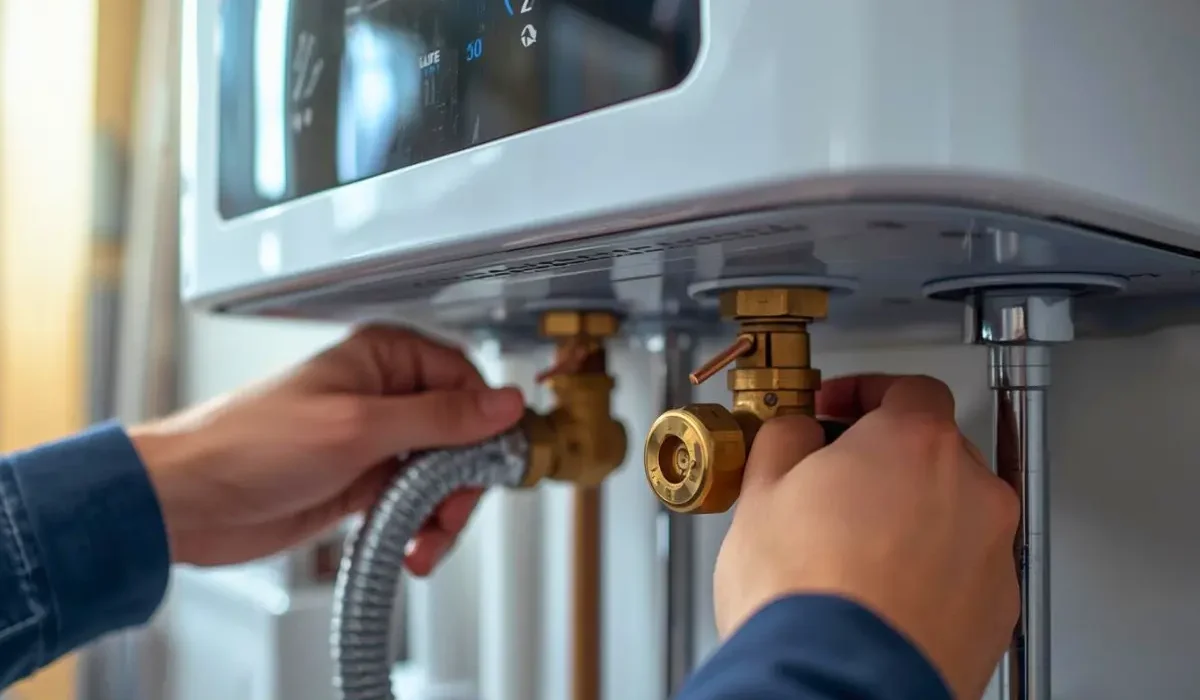
- Locate the Filling Loop: Find the filling loop. It’s a silver hose with two small taps, usually under the boiler. You will use this to add water.
How to Refill Your Combi Boiler
Now, let’s get started with refilling your system. Follow these steps carefully.
Step 1: Turn Off the Boiler
Always turn off the boiler first. Wait for the system to cool down. This will take about 30 minutes. It’s safer to work with a cold system.
Step 2: Find the Filling Loop
Locate the filling loop under your boiler. It’s a flexible silver hose. It connects your boiler to the water supply. You will use this to add water to your system.
Step 3: Open the Valves
Slowly turn the valves on the filling loop, letting water flow into the system. You should hear the water entering. Observe the pressure gauge closely.
Step 4: Watch the Pressure Gauge
As water enters the system, the pressure gauge needle will move up. When it reaches between 1 and 1.5 bar, stop adding water. This is the ideal pressure for most combi boilers.
Step 5: Close the Valves
Once the pressure is correct, the filling loop valves should be closed tightly, stopping water from entering the system.
Step 6: Remove the Filling Loop (if needed)
Some systems have a detachable filling loop. If yours does, remove it after refilling. This prevents accidental overfilling.
Step 7: Turn On the Boiler
Turn your boiler back on. Check the pressure again to make sure it’s stable. If it drops, you may need to add a little more water.
Step 8: Bleed the Radiators
After refilling, it’s a good idea to bleach the radiators. This releases any trapped air that can cause cold spots. Start at the radiator that is farthest away from the boiler.
How to Bleed a Radiator:
- Get a Radiator Key: You need this tool to open the bleed valve.
- Turn the Valve: Slowly turn the valve at the top of the radiator. You will hear a hissing sound. This is the air escaping.
- Close the Valve: When water starts to come out, close the valve tightly. Move on to the next radiator.
What is Boiler Ignition Lockout?
The boiler ignition lockout happens when the boiler stops working. This is usually due to a safety issue, like low pressure or a blocked flue. Your boiler will display an error code. Check the handbook to find out what the code indicates. If you have questions, get expert assistance.
Common Causes of Boiler Ignition Lockout:
- Low Pressure: If the pressure is below 1 bar, the boiler may shut down.
- Faulty Thermostat: If the thermostat is broken, the boiler can lock out.
- Blocked Flue: The flue is the pipe that takes fumes out of your home. If it’s blocked, the boiler will not work.
Tips for Maintaining Your Boiler
Keeping your boiler in good shape is easy if you follow these tips:
- Check the Pressure Regularly: Check the pressure gauge every few weeks. Make sure it stays between 1 and 1.5 bar. If it drops, add water as needed.
- Bleed the Radiators: Bleed your radiators at least once a year. This removes any trapped air and keeps your system working well.
- Schedule an Annual Service: An annual boiler service is a good idea. A Gas Safe registered engineer can check for problems and fix them before they get worse.
- Use a Magnetic Filter: A magnetic filter can catch metal particles that build up in your system, helping keep your boiler clean and efficient.
- Keep the Area Around the Boiler Clear: Make sure there’s enough space around your boiler. This will help with ventilation and make it easier to access for maintenance.
When to Call a Professional
Sometimes, it’s best to call a professional. Here’s when you should get expert help:
- Frequent Pressure Drops: If your boiler keeps losing pressure, there may be a leak or other issue.
- Boiler Keeps Locking Out: If your boiler locks out often, there could be a serious problem.
- Water Leaks: Leaking water can cause damage and is a sign of a bigger issue.
At Louis Gas and Heating, we have a team of experts ready to help. Whether you need a boiler repair or a full system check, we can handle it.
Conclusion
Refilling your central heating system with a combi boiler is easy if you follow these steps. Always check your boiler pressure regularly and keep an eye on your radiators. A little upkeep goes a long way towards keeping your system operating efficiently. If you have any concerns or need help, Louis Gas and Heating is here to assist you.
Keeping your boiler in good shape will save you money and keep your home warm and comfortable. Don’t hesitate to contact us for any heating or boiler needs!
FAQs
How Often Should I Refill My Boiler?
You shouldn’t need to refill your boiler often. However, if the pressure drops frequently, there might be a problem. Look for leaks or call a pro.
What if the Pressure is Too High?
If the pressure is above 2.5 bar, you need to release some water. This should be done carefully to prevent damage. If you’re unsure, call an expert.
Can I Refill the Boiler Myself?
Yes, you can refill your boiler yourself if you follow the steps carefully. Make sure you know how to use the filling loop and read the pressure gauge.
Is Low Boiler Pressure Dangerous?
Low boiler pressure isn’t dangerous, but it can stop your boiler from working. It’s important to keep the pressure at the right level.
How Do I Continue If I Detect a Leak?
If you see a water leak, turn off the boiler and call a professional. Leaks can cause damage and affect your boiler’s performance.