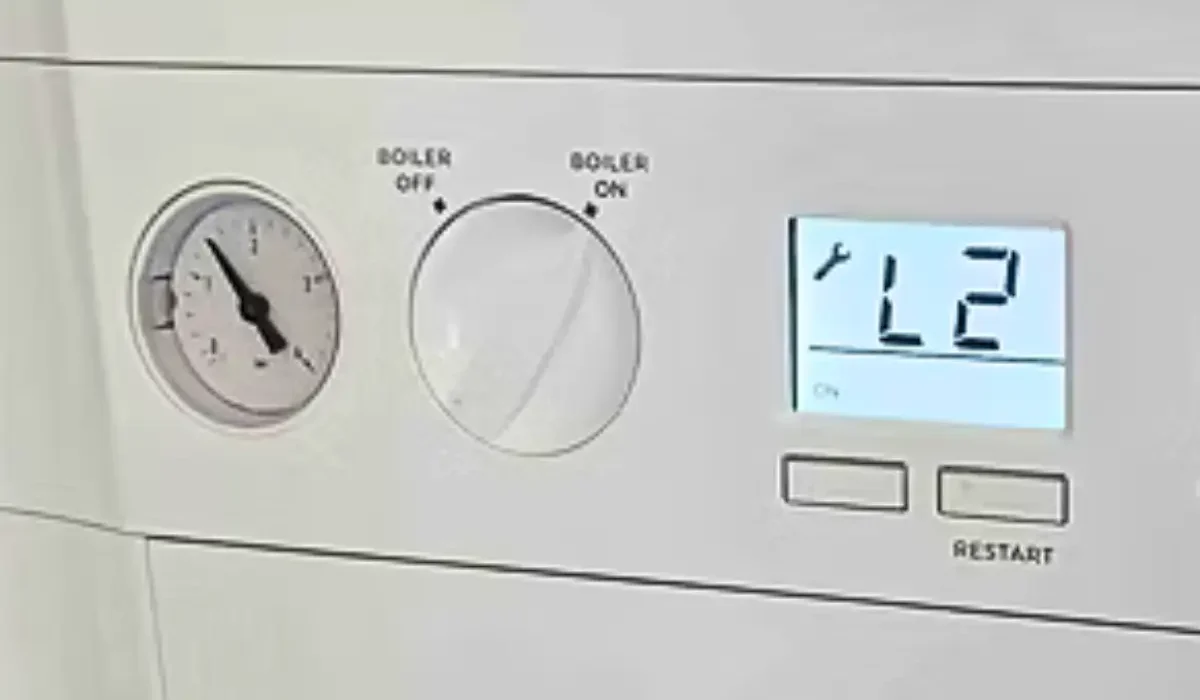
Introduction:
We’ve all been there. You settle in for a cozy night on the couch, only to be greeted by a blinking error code on your boiler display. An unfamiliar code like “L2” can send shivers down your spine, especially during the cold winter. But before you hit the panic button, let’s take a deep breath and understand is L2 on boiler dangerous or what it might mean and the potential dangers.
What is an L2 Fault on a Boiler?
An L2 error code typically indicates a problem with your boiler’s ignition system or flame. This means the boiler needs help to light or consistently burn the flame. Multiple culprits could cause this problem:
- The Spark Electrode Isn’t Sparking: Imagine a tiny lighter trying to ignite the gas within your boiler. That’s the job of the spark electrode. If this little sparker malfunctions, the gas won’t ignite properly, leading to the L2 error.
- Low Gas Pressure: Like any appliance that needs fuel, your boiler needs a steady gas flow to function correctly. Insufficient gas pressure can prevent the boiler from igniting successfully.
- A Blocked Flue: Think of the flue as the chimney of your boiler. It’s responsible for expelling exhaust fumes. If the flue gets clogged with debris like leaves or soot, it can disrupt combustion and trigger the L2 error.
- Sensor Issues: Your boiler relies on sensors like tiny eyes to detect the presence of a flame. These sensors can become dirty or faulty over time, leading them to miss the flame and trigger the L2 error code.
Some boiler brands might use slightly different codes to represent similar problems. For example, Ideal Logic boilers might use an L2 or F2 code for ignition issues. If you’re unsure about the specific meaning of an error code on your boiler, consult your user manual for clarification.
Is L2 on Boiler Dangerous Fault? (Should You Be Worried)
While an L2 error code indicates a problem with your boiler’s ignition, it doesn’t necessarily mean immediate danger. However, addressing the L2 fault promptly is crucial to avoid potential risks.
A faulty boiler can be dangerous for two main reasons:
- Gas Leaks: A malfunctioning boiler might allow unburned gas to leak. Gas leaks pose a fire hazard and can be deadly due to the risk of carbon monoxide poisoning. Carbon monoxide is a colorless, odorless gas that can be difficult to detect and cause serious health problems.
- Incomplete Combustion: Incomplete combustion can occur when the gas doesn’t burn appropriately due to ignition problems. This releases harmful toxins into your home’s air, harming your health.
What To Do When You See an L2 Error Code
So, you see the dreaded L2 error code. Here’s what you should do to stay safe and get your warm water and heating back on track:
- Turn Off the Boiler Immediately: Locate the boiler’s isolation switch and turn it off. This prevents the boiler from attempting further ignitions, which could be dangerous if there’s a gas leak.
- Consult Your User Manual: Your boiler’s user manual might be your best friend. It could offer troubleshooting tips specific to the L2 error code. Some manuals might even include instructions for resetting the boiler (if applicable).
- Check for Simple Fixes (But Don’t Be a Hero): While trying a quick fix yourself is tempting, resist the urge! Unless you’re a qualified Gas Safe engineer (UK) or a licensed professional in your region, leaving the boiler repairs to the experts is best. Nonetheless, there are a few easy checks you may do:
- Is the gas supply valve open? A simple valve closure can sometimes disrupt the gas flow and trigger the L2 error.
- Has the condensate pipe frozen? During cold spells, the condensate pipe (which expels condensation from the boiler) can freeze. A frozen condensate pipe can disrupt the boiler’s operation and lead to an L2 error. If you suspect a frozen pipe, you can try thawing it with a hot water bottle (but be cautious not to damage the pipe).
- Call a Gas Safe Engineer (UK) or Licensed Professional: It’s crucial to have a qualified engineer diagnose and fix the underlying issue that caused the L2 fault code. They can identify the root cause of the problem, whether it’s a faulty spark electrode, low gas pressure, a blocked flue, or a sensor issue. A qualified engineer can also ensure your boiler operates safely and efficiently, preventing future L2 errors and potential dangers.
Here are a few more things to remember:
- Schedule Regular Boiler Maintenance: An annual boiler service by a qualified professional can help prevent L2 errors and other boiler problems by identifying potential issues early on. During a service, the engineer will inspect your boiler for wear and tear, clean essential components, and ensure everything functions optimally.
- Consider Upgrading Your Boiler: If your boiler is old and experiencing frequent L2 errors or other issues, consider an upgrade. Modern boilers are more efficient and reliable, saving you money on energy bills in the long run.
Remember When to Call a Professional
While the L2 error code might seem like a cause for alarm, understanding the potential causes and taking the right steps can help keep you safe and prevent further problems. Here’s a quick reminder of when to call a professional:
- Always: If you suspect a gas leak. Gas leaks pose a serious health risk, so don’t hesitate to call a qualified engineer immediately. Signs of a gas leak can include a strong gas odor, unusual hissing sounds near the boiler, or pilot lights that keep going out.
- Whenever You’re Unsure: If you’re unsure about the cause of the L2 error code or feel uncomfortable troubleshooting the issue, it’s best to err on the side of caution and call a qualified boiler professional. They have the knowledge and resources necessary to identify and resolve the issue safely and effectively.
Conclusion:
Is L2 on the boiler dangerous? Understanding error codes, taking the necessary steps to address them, and prioritising safety ensure your boiler functions smoothly and keeps your home warm and comfortable throughout the year. Contact Louis Gas & Heating Ltd. for professional help!